
Practice fearlessness.
Lessons from jumping into the deep end of a European road peloton.

Mantra: Practice fearlessness.
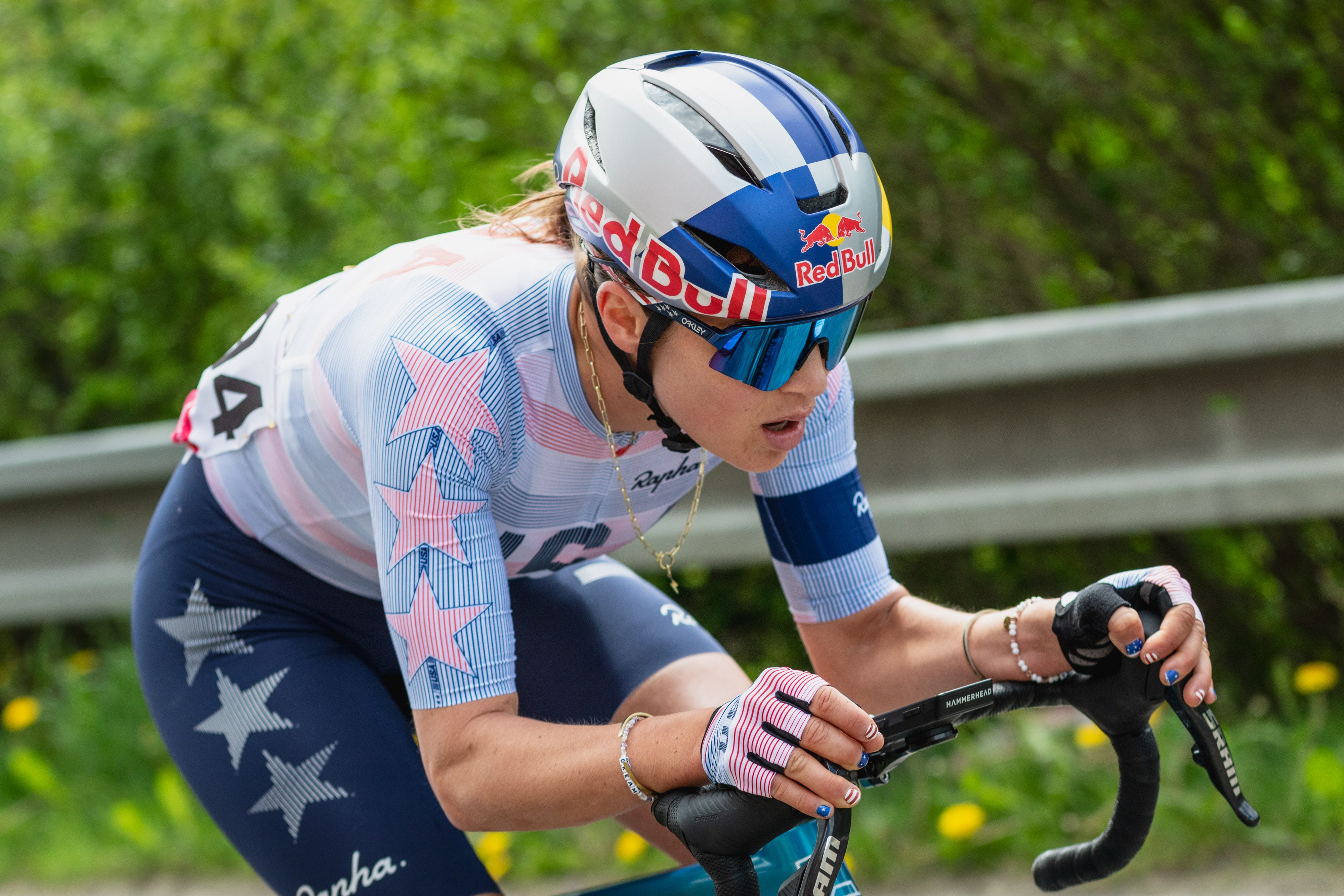
I hadn’t been that scared in a long time. As we rolled off the start line of Tour de Feminin, a sea of riders engulfed me as 170 women fought for room to move forward on the narrow Czech roads. As we picked up speed, my world was reduced to the whirring of bikes, the squealing of brakes and my own panicked breathing.
Any quiet hope of success left my mind. I just wanted to survive.
It was the first real stage of my first UCI road stage race, and I was in full fight or flight. I tried to remind myself that this was what I came for - to be a beginner again, to be thrown into the deep end of the European peloton and try to learn how to swim.
I should have remembered that learning how to swim feels a whole lot like drowning until you figure it out.
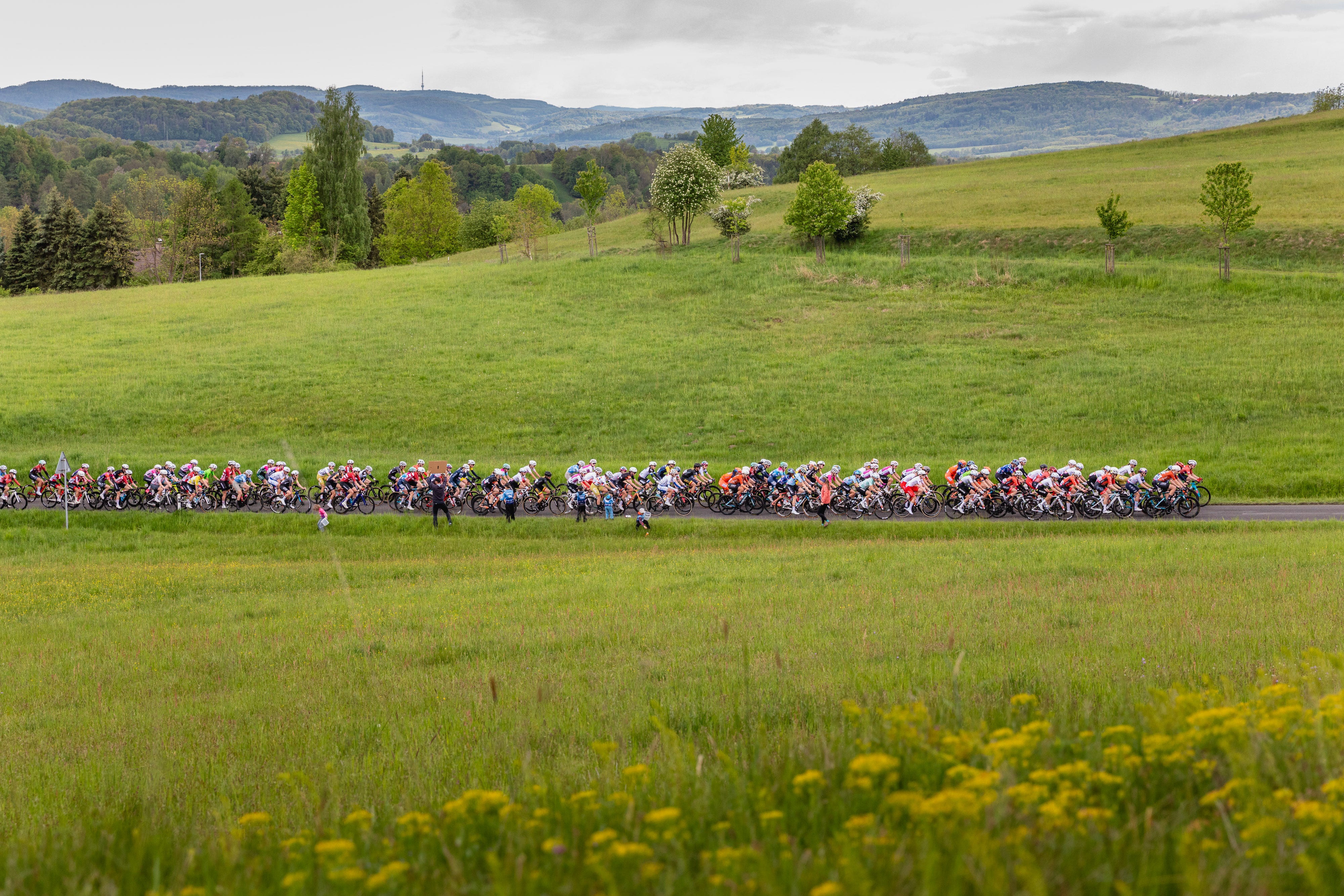
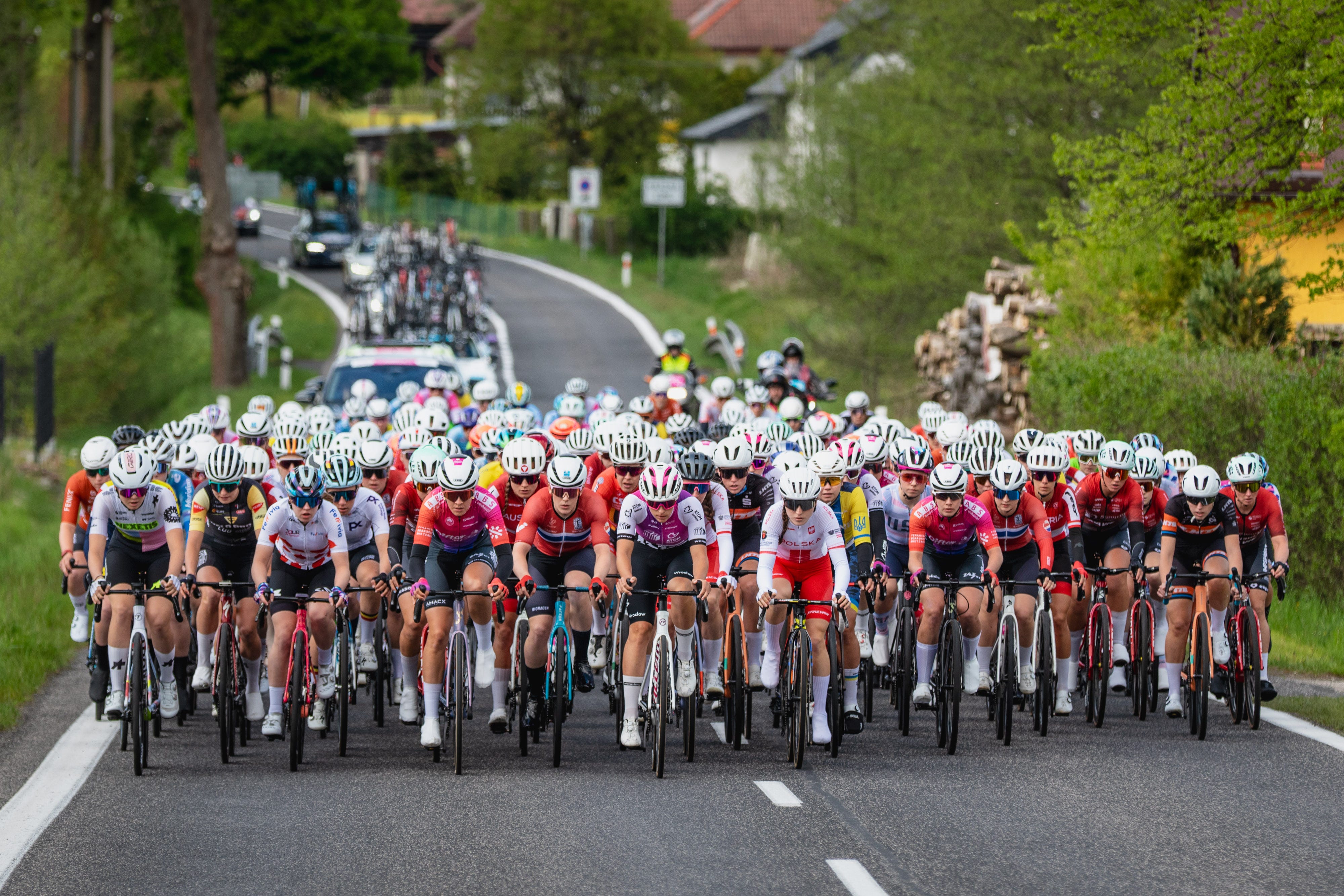
And on that first day of elbow to elbow combat at thirty kilometers an hour, I certainly felt like I was drowning. I spent most of the stage either fighting the wind or being pushed backwards in the peloton and by the time we came to the line for a big bunch sprint, I was wondering what on earth had compelled me to try something new in the first place.
“That was terrifying,” I told my coach as I regaled him with stories from my day. I was exhausted. Intimidated. Overwhelmed. Maybe even a little embarrassed.
I studied his face for signs of surprise or disappointment, but he just smiled and asked me what it felt like the first time I drove into San Francisco after getting my driver’s license.
“It was overwhelming, wasn’t it?” he continued.
I smiled, remembering those first drives where I navigated the busy streets with complete focus and a death grip on the wheel. Looking at directions? Absolutely not. Parallel parking? Forget about it.
“And how does it feel now?” he asked rhetorically, his point already landing.
Effortless.
That evening, I took a long hot shower and thought about how I would get through the next day in the bunch. I had moved from the first to the second stage of psychological skill acquisition - from unconscious incompetence to conscious incompetence.
Before that first day in the peloton, I had the luxury of not really knowing what I didn’t know. I assumed it would be a different world with new skills to acquire, but it was a vague understanding, not a precise one.
Now, I could see the full depth of that skillset and just how far away I was from mastering it. Yet I also knew the only way to make progress was to go back into the thunderdome of the peloton and give myself time to figure it out.
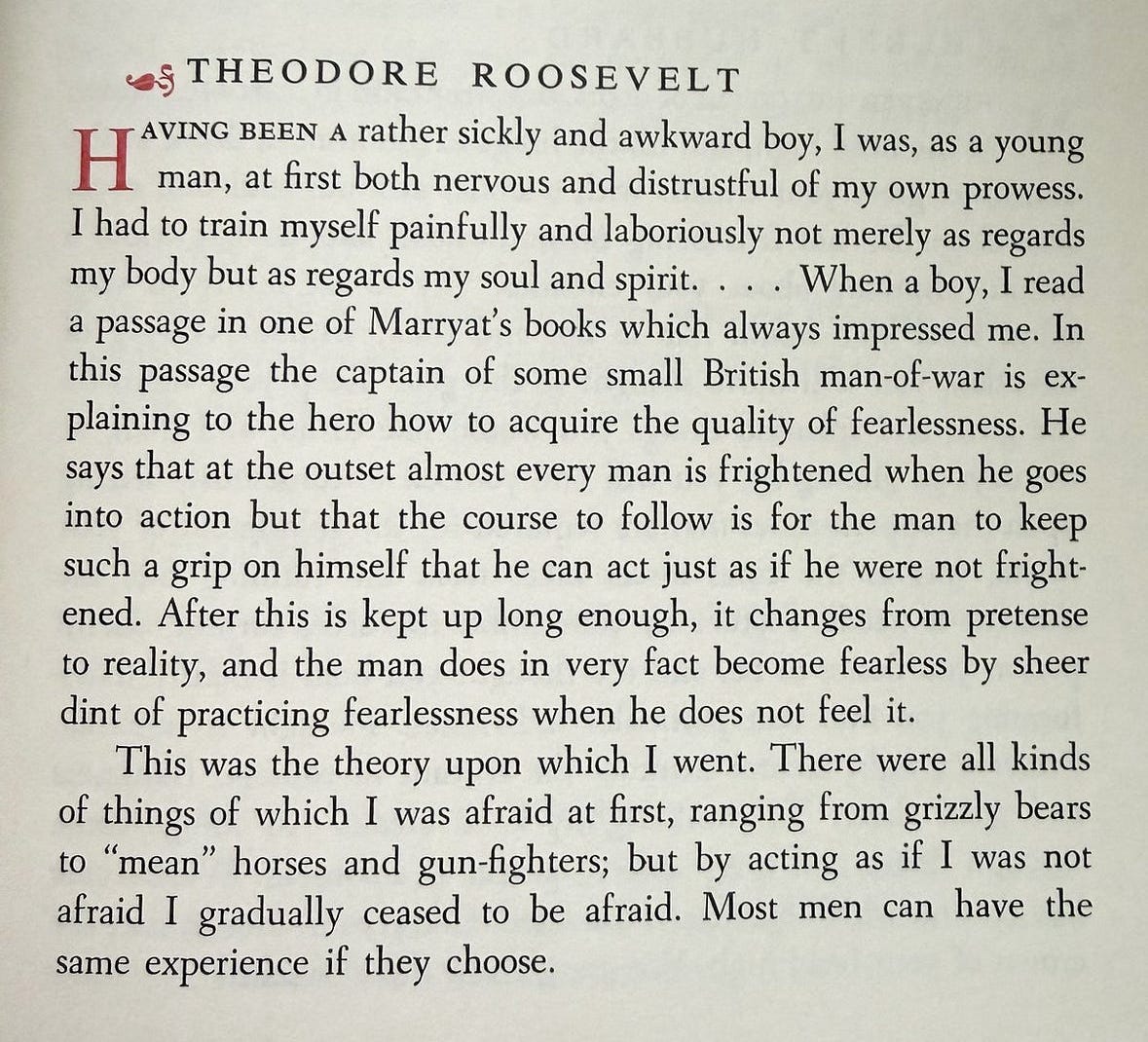
As I got into bed, I read a Roosevelt quote that became the mantra for the rest of the race:
In this passage the captain of some small British man-of-war is explaining to the hero how to acquire the quality of fearlessness. He says that at the outset almost every man is frightened when he goes into action but that the course to follow is for the man to keep such a grip on himself that he can act just as if he were not fright-ened. After this is kept up long enough, it changes from pretense to reality, and the man does in very fact become fearless by sheer dint of practicing fearlessness when he does not feel it.
What a brilliant idea. I didn’t see any possibility of starting the next stage unafraid, but I could certainly start it with a different strategy for dealing with discomfort long enough to actually learn something.
I would simply practice fearlessness.
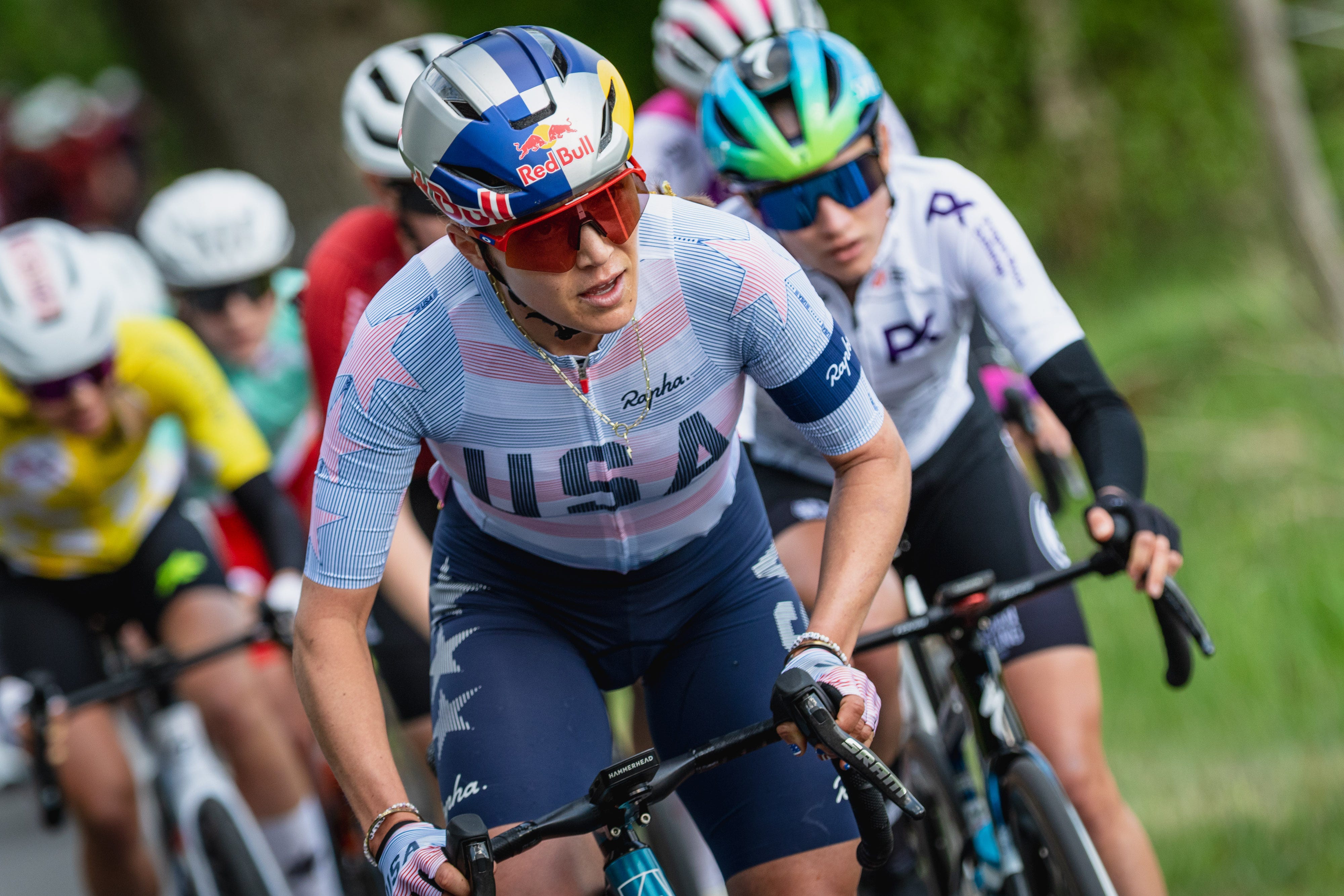
The next two stages, every time I felt myself starting to panic, I took a deep breath and tried to observe what was happening around me. What would it look like to be fearless in this moment?
Instead of narrowing, my focus widened. How was the bunch moving? Where were the best riders positioned? What was coming up ahead that might change the dynamic? No matter what mistakes I could see I was making, could I make them calmly? Fearlessly?
Eventually, pretending not to be afraid turned into a few moments of actually not being afraid. And in those moments, I found myself able to take risk - to attack the group, to fight to the line and, on the final stage, to put myself in a 70km breakaway that set me up for a win.
I am still productively intimidated by the skill set required to thrive in the peloton. But jumping into the deep end reminded me that when I am willing to put myself in new, uncomfortable situations, I get a chance to practice what I want to become.
And for a few minutes here and there, I become it. I am fearless.
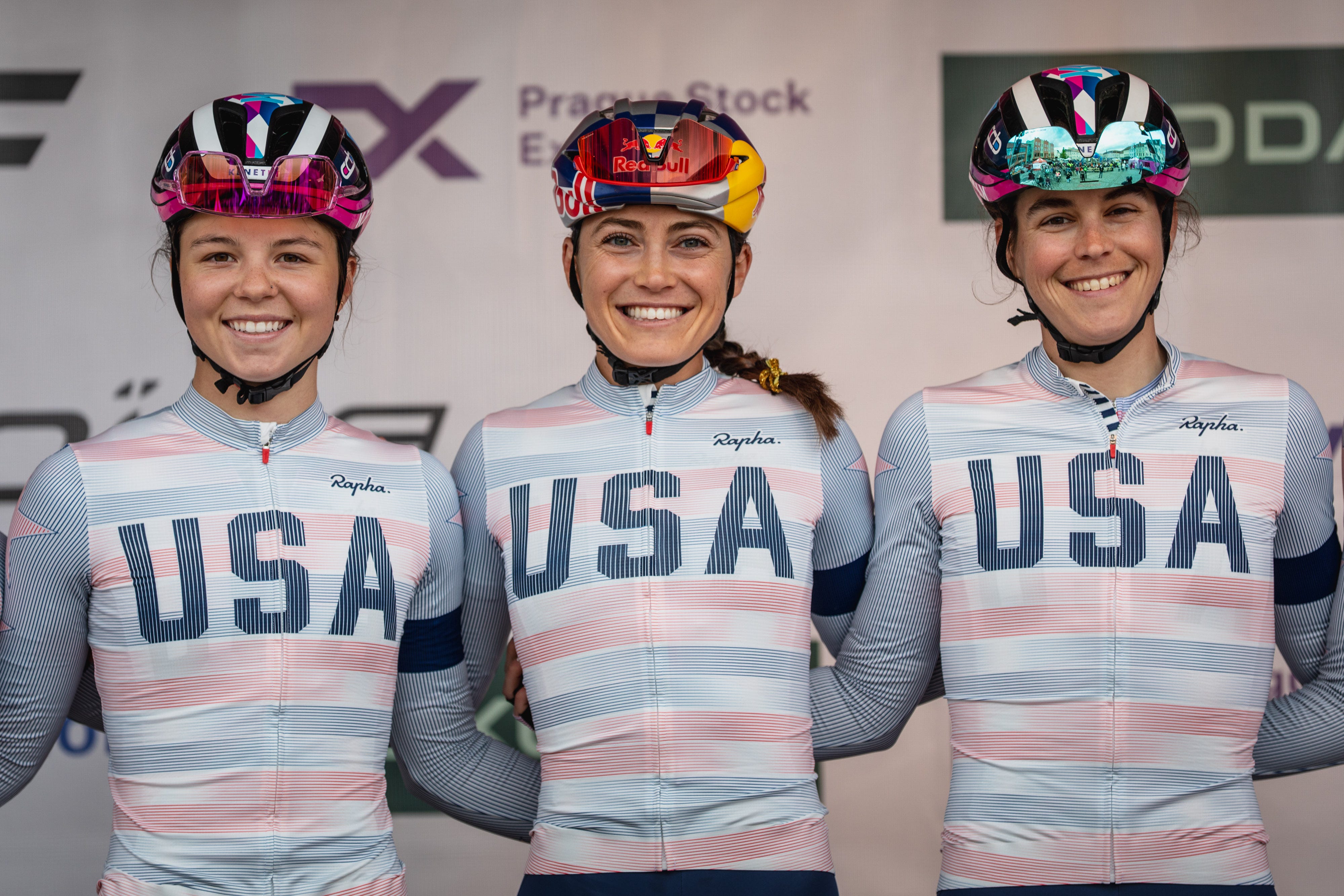
Message: even Roosevelt was willing to fake it until you make it…
Musing: Hard is not impossible…
Where has fear held you back you from doing something? What would happen if you did it anyway?
I'm just an old lady amatuer athlete, and was surprised to read that an accomplished MTB Olympian-World Champ and gravel champ could be afraid of a road peloton! From all I've gained across many sports is that learning to channel that fear into focused action will get you through hundreds of challenging situations throughout your life.You are becoming as accomplished a human being as you are an athlete. Keep the stoke!
Every time I read your blogs, it simply shows even the professionals or the people who are quite good in their fields/domain aren't immune from fear or insecurity. How can they be good at everything. Take example of cycling. Cycling is a Tree and its branches are as follows- Gravel cycling, Mountain Biking, Grand Tours with huge peloton riding jostling for space. All these are cycling events but one can't automatically becomes good on the first try. With repetitions and experience one becomes good from novice.
Practicing Fearlessness is a quite a good approach, it simply shows if we just keep approaching things from a timidity or coward approach it is not good. So, rather approach it from Courage & Boldness, be it anything.